Review: Is an AI Cycling Coach Better Than a Human Coach?
Can an algorithm really replace a human expert? We break down the cost, adaptability, and data analysis battles between AI apps and traditional coaching to see which offers the best ROI for amateur cyclists.
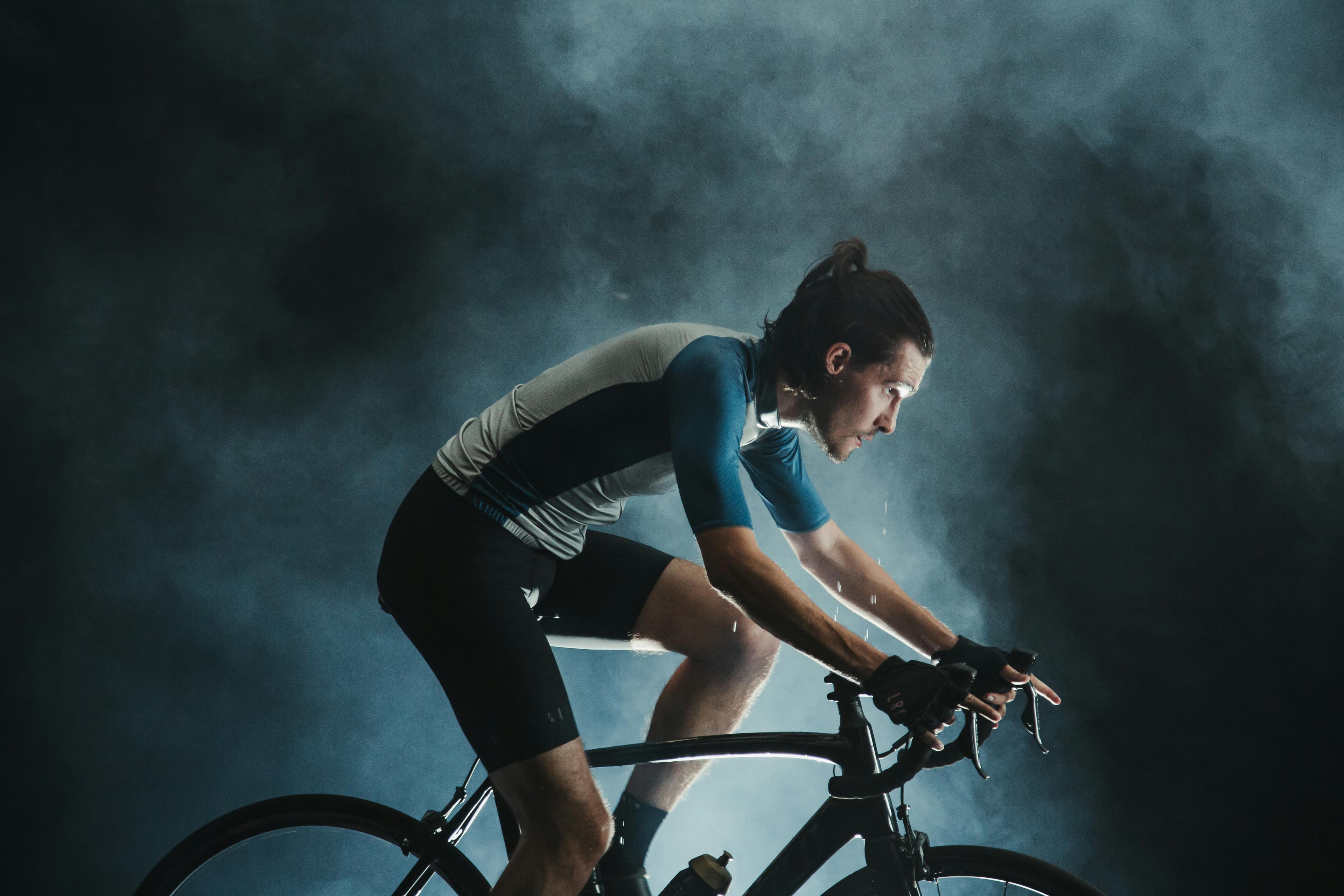
For decades, the "Gold Standard" of cycling performance was simple: if you wanted to get fast, you hired a coach. You paid them $200 to $400 a month, they sent you a spreadsheet, and you talked on the phone once a month.
But in 2025, the landscape has shifted. With the rise of Large Language Models (LLMs) and advanced biometric processing, AI coaching apps have entered the peloton. They claim to offer the same personalization as a human for the price of a few inner tubes.
But can an algorithm really replace a human? Can a computer understand "bad legs" or the stress of a newborn baby?
We broke down the pros, cons, and costs of AI vs. Human Coaching to help you decide where to invest your money this season.
Round 1: The Cost Factor
Let’s get the obvious one out of the way.
- Human Coach: Expect to pay $150–$400/month. For this, you typically get a TrainingPeaks schedule and limited communication (e.g., one email or call per week).
- AI Coach (e.g., Paloton): Less than $10/month.
Winner: AI Coach. Unless you are a pro athlete whose livelihood depends on winning, the ROI of a human coach is hard to justify. For the price of one month of human coaching, you can pay for two years of AI coaching.
Round 2: Adaptability & "Life" Logic
This is where the battle gets interesting.
The Human Approach: A good human coach is excellent at adaptability—if you communicate with them. If you miss a Tuesday ride, you have to text them. They have to see the text, log in to TrainingPeaks, and manually adjust your week. If they are busy with other clients (or sleeping), your plan remains broken until they fix it.
The AI Approach: AI is awake 24/7. If you miss a ride, an AI coach like Paloton detects the missed file instantly. It recalculates your training load, looks at your future availability, and reshuffles your week within seconds. It doesn't judge you; it just solves the optimization problem.
Winner: Tie (with a nuance). A human offers emotional adaptability ("It's okay to rest"), but AI offers superior logistical adaptability (instant schedule repair). For busy amateurs who change plans last minute, AI actually wins on speed.
Round 3: Data Analysis
The Human Approach: A human coach might look at your power file for 5–10 minutes. They look for peak power, heart rate decoupling, and general compliance. They rely heavily on "feeling" and experience.
The AI Approach: An AI processes everything. It analyzes every second of your power curve, your heart rate variability (HRV) trends over the last 30 days, your sleep data from your wearable, and the exact kilojoules burned. It can spot subtle trends—like a 2% drop in efficiency that signals oncoming illness—that a human eye might miss in a quick weekly review.
Winner: AI Coach. Humans are better at psychology; machines are better at math. Cycling training is 90% math.
Round 4: Accountability & Psychology
The Human Approach: Knowing a real person is watching your files is a powerful motivator. The fear of having to explain a missed workout to "Coach Mike" gets many riders out the door in the rain. A human can also talk you off the ledge when you lose a race.
The AI Approach: AI is objective. It will give you a "Green Light" or "Red Light" based on data, not emotion. It cannot (yet) give you a pep talk or empathetic listening ear.
Winner: Human Coach. If you are the type of athlete who needs external validation or emotional support, a human is irreplaceable.
The Verdict: Which is Right for You?
The "Human vs. AI" debate isn't about which is better in a vacuum; it's about which is better for your reality.
Stick with a Human Coach if:
- You are targeting a podium spot at Nationals or a specific, high-stakes event.
- You have a complex medical history or injury requiring nuanced oversight.
- You need the psychological pressure of a real person to keep you honest.
Switch to an AI Coach (Paloton) if:
- You are "Time-Poor": You need a plan that adjusts instantly when work runs late.
- You are Data-Driven: You want training decisions based on your biometrics, not just a standard template.
- You value Value: You want professional-level structure but would rather spend that $300/month on gear or race entries.
Summary: For 95% of amateur cyclists, AI is the superior choice. It provides 24/7 responsiveness and data precision that a human simply cannot match at scale. It bridges the gap between "guessing" and "knowing" without breaking the bank.